


Blog
Office Table and Chair Sets for Small Offices

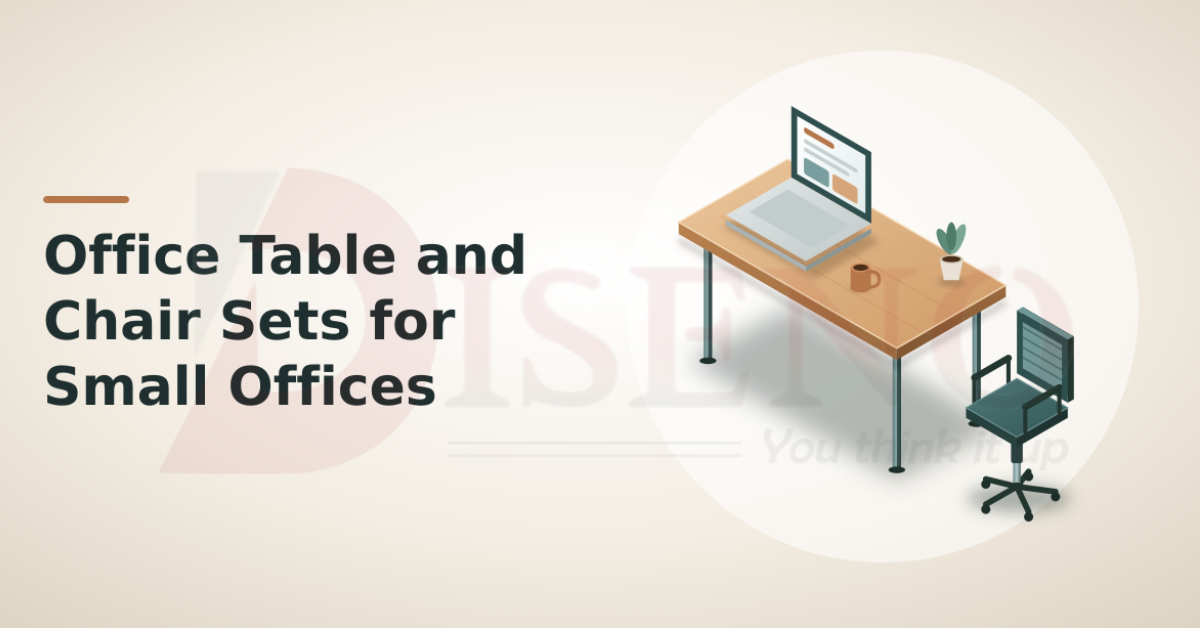
In a small office, every square meter counts. There is no spare corner to hide a mismatched desk, an oversized chair, or a cluttered storage unit. Yet the furniture you choose shapes how your team works, how clients see your business, and how comfortable everyone feels at the end of a long day. That is why a well-matched office table and chair set is one of the smartest purchases a small business can make.
This guide explains what to look for, which set styles work best in compact spaces, and how to get a professional, comfortable workspace without overspending.
Why Buy a Table and Chair Set?
Buying a desk and chair as a coordinated set offers several advantages over mixing pieces from different sources.
- Consistent look: Matching finishes and styles instantly make a small office feel organized and professional.
- Proportion and fit: Sets are designed so the chair height, desk height, and legroom work together.
- Simpler shopping: One purchase, one delivery, and one supplier to deal with if something needs fixing.
- Better value: Bundled sets are often priced lower than buying each piece separately.
- Easy expansion: If you add team members later, you can order the same set and keep the office uniform.
Types of Office Table and Chair Sets for Small Spaces
1. Compact Desk and Ergonomic Chair Sets
Best for: solo professionals and one- or two-person offices.
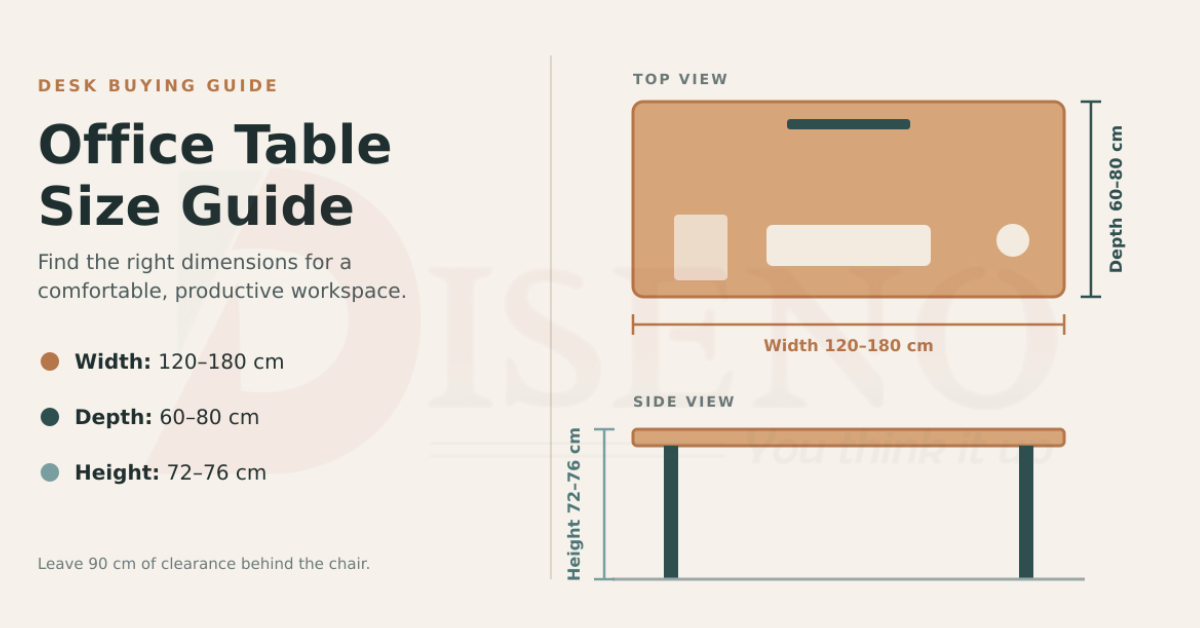
A slim desk paired with a supportive ergonomic chair is the core of most small offices. Look for desks around 100 to 140 cm wide, which fit tight rooms while leaving space for a laptop, a monitor, and documents. Pair them with a chair that offers adjustable height, lumbar support, and comfortable armrests.
What to look for: a stable frame, a smooth-rolling chair, and a desk depth of at least 55 to 60 cm.
2. L-Shaped Desk and Chair Sets
Best for: corner spaces and people who need extra work surface.
An L-shaped desk uses corner space that would otherwise go to waste. It gives you separate zones for computer work and paperwork. A compact version paired with a good task chair can deliver a large workspace in a small footprint.
What to look for: a reversible layout, a continuous surface, and enough clearance to move your chair comfortably.
3. Height-Adjustable Desk and Chair Sets
Best for: teams that want a healthier, more flexible way of working.
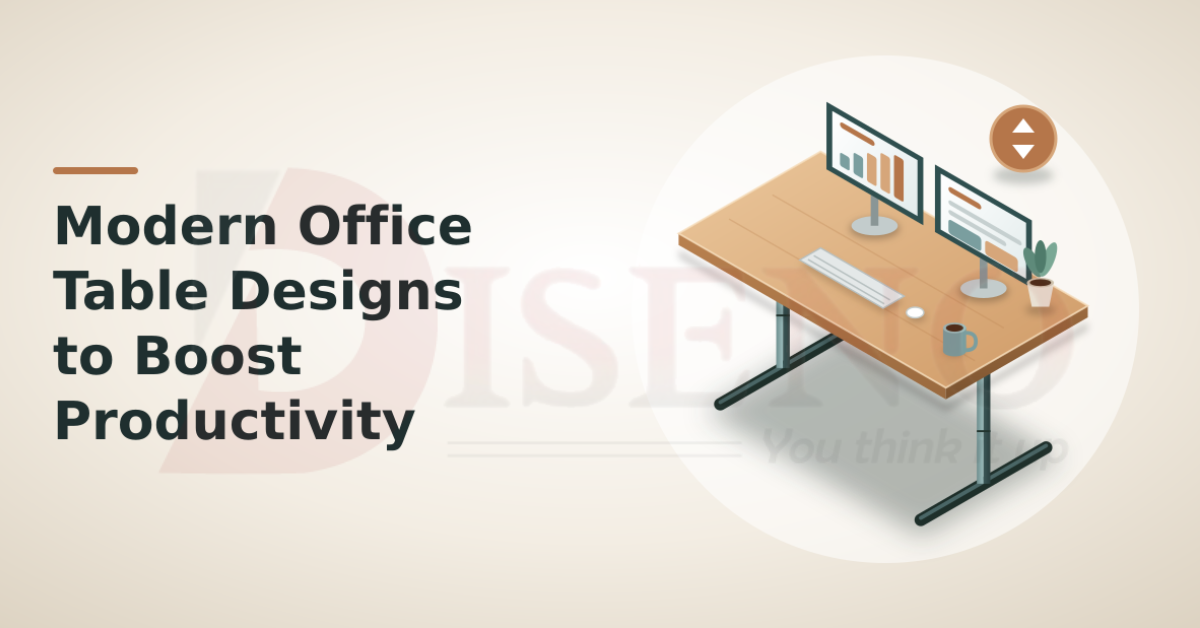
Sit-stand desks let you alternate between sitting and standing, which can reduce stiffness during long days. Paired with an adjustable chair, they suit shared spaces where people of different heights use the same desk.
What to look for: a quiet, stable motor, memory presets, and a chair that adjusts easily as the desk changes height.
4. Desk with Built-In Storage and Chair Sets
Best for: paper-heavy offices and anyone short on cabinets.
Desks with drawers, shelves, or a side return keep documents and supplies close without needing extra furniture. In a small room, built-in storage is often more valuable than a bigger surface.
What to look for: smooth drawer runners, lockable compartments, and storage that does not cut into legroom.
5. Small Meeting Table and Chair Sets
Best for: offices that host clients or hold team discussions.
A round or oval table with four chairs can turn a corner of your office into a welcoming meeting area. Round tables take less visual space and improve conversation. Stackable or folding chairs make it easy to clear the space when it is not needed.
What to look for: a pedestal base for more legroom, stackable chairs, and a surface that resists scratches and stains.
6. Reception Desk and Chair Sets
Best for: small businesses with a front desk or waiting area.
A compact reception desk and a comfortable chair create a professional first impression. Choose a design with a raised counter for visitors and a lower work surface behind it.
What to look for: durable materials, cable management, and a layout that works in a narrow entrance.
7. Shared Workstation Sets
Best for: startups and small teams working side by side.
Bench-style or modular desks with matching chairs let multiple people share a compact area. Dividers, shared power outlets, and consistent chair styles keep the space tidy and efficient.
What to look for: modular connections, built-in cable management, and privacy panels if needed.
How to Choose the Right Set
Measure First
Measure the room, doorways, and any awkward corners before shopping. Leave at least 90 cm behind the desk for the chair to move and for people to walk past. Also check that the furniture will fit through the entrance and up any stairs.
Prioritize the Chair
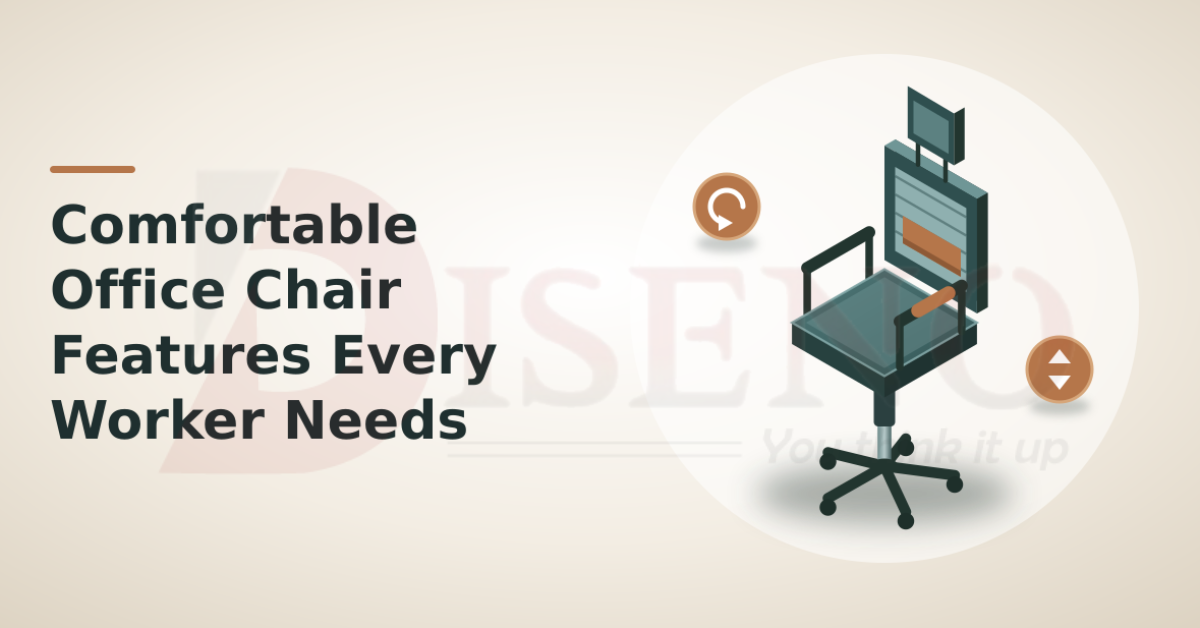
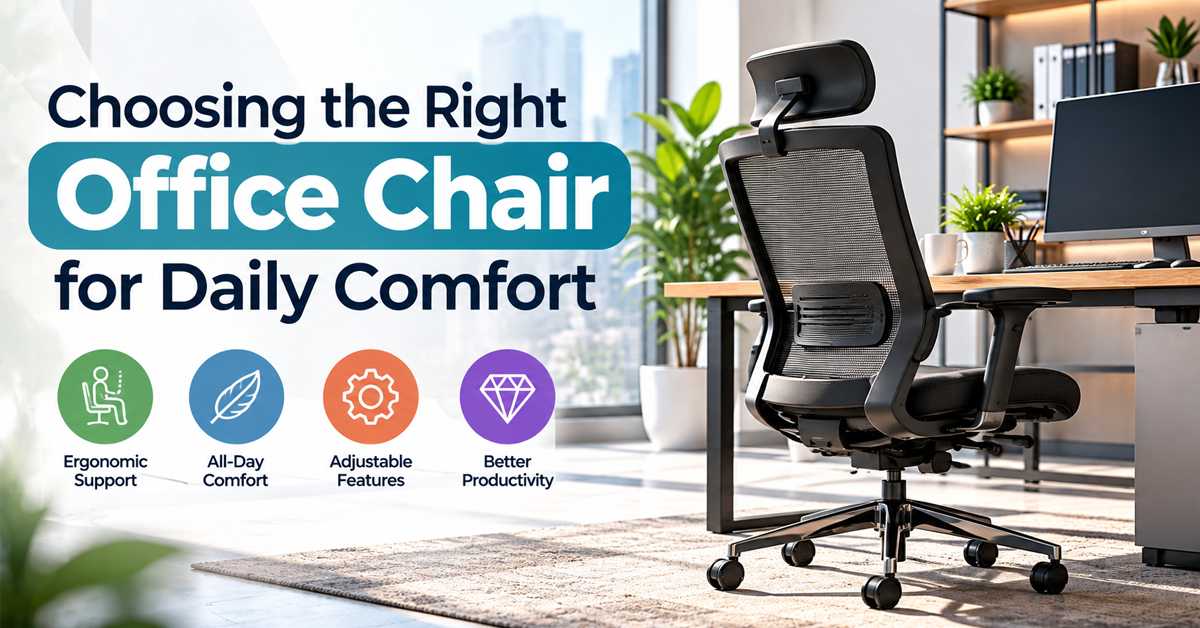
The desk gets the attention, but the chair is what your body feels. People may sit for six to eight hours a day, so look for adjustable seat height, lumbar support, breathable fabric or mesh, and a stable five-point base. A comfortable chair supports focus and can help reduce back and neck strain.
Choose the Right Size and Scale
Oversized furniture overwhelms a small room. Pick slimmer desks, chairs with a compact profile, and open-leg designs that let light and floor space show through. Visual lightness makes a small office feel larger.
Pick Smart Materials
- Laminate or melamine: Affordable, easy to clean, and available in many finishes.
- Wood veneer: A premium look at a moderate price.
- Solid wood: Durable and elegant, though heavier and more costly.
- Metal frames: Strong and slim, ideal for compact layouts.
- Mesh and fabric chairs: Mesh breathes well in warm offices, while upholstered chairs add comfort and style.
Plan for Cable Management
Loose cables make a small office look chaotic. Choose desks with grommet holes, cable trays, or channels, and consider a desk with built-in power access if you use several devices.
Features That Make a Difference
- Ergonomic design: Adjustable chairs and correct desk height protect your posture.
- Space-saving construction: Slim profiles, open legs, and fold-away elements save room.
- Durability: Strong joints, quality surfaces, and sturdy chair mechanisms mean fewer replacements.
- Easy assembly: Clear instructions and quality hardware reduce setup time.
- Warranty: A clear warranty on both the desk and the chair shows the supplier stands behind the product.
Layout Tips for Small Offices
- Place the desk near natural light if possible, but angle the screen to avoid glare.
- Use vertical space with wall shelves instead of floor-standing cabinets.
- Keep walkways clear so the room does not feel crowded.
- Choose light colors for walls and furniture to make the room feel more open.
- Add one or two accent items, such as a plant or a task lamp, for warmth without clutter.
Common Mistakes to Avoid
- Buying by looks alone: A stylish chair that hurts your back is not a bargain.
- Ignoring measurements: Even a great set can fail if it does not fit the room.
- Skimping on the chair: Spending more on seating often pays off in comfort and productivity.
- Overlooking storage: Without a plan for papers and supplies, clutter builds up fast.
- Forgetting future growth: Choose a set that can be matched or expanded when your team grows.
Final Thoughts
The right office table and chair set can make a small office feel organized, comfortable, and professional. Start with careful measurements, choose ergonomic seating, and look for compact, well-built desks that suit how your team actually works. With a thoughtful set in place, even the smallest office can become a space where people work well and clients feel welcome.