




Blog
Workspace Office Furniture Ideas for Modern Professionals

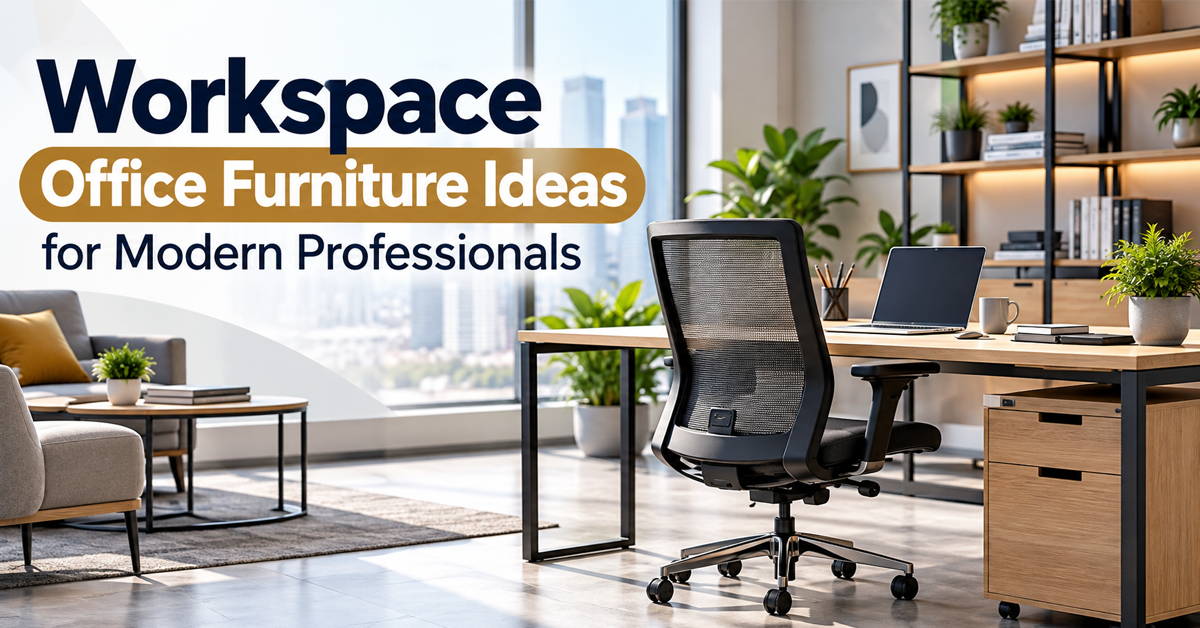
The way we work has changed, and our desks, chairs, and storage need to keep up. Whether you’re setting up a home office, refreshing a corporate floor, or carving out a corner in a shared apartment, the right furniture can raise your focus, protect your health, and make a small space feel professional. Here are the ideas worth considering.
1. Start with an Ergonomic Chair
If you invest in one piece of furniture, make it the chair. Professionals spend six to ten hours a day seated, and a poor chair shows up as back pain, stiff shoulders, and fatigue long before it shows up as a complaint.
Look for adjustable seat height and depth, real lumbar support, adjustable armrests, and a backrest that tilts with your movement. Breathable mesh suits warm climates and long days, while a padded seat can be more comfortable for some people. Always test a chair for at least ten minutes before committing.
2. Choose a Sit-Stand Desk
Height-adjustable desks have moved from novelty to standard. Alternating between sitting and standing keeps energy steadier through the afternoon and reduces the strain of staying in one posture.
Electric models with memory presets let you switch positions in seconds. For tighter budgets, a desktop riser that sits on top of your existing desk gives much of the same benefit. Standing all day isn’t the goal. The aim is to change position every 30 to 60 minutes.
3. Build Smart Storage
Clutter drains attention. Modern storage is about keeping what you need within reach and hiding what you don’t.
- Mobile pedestals: Small drawer units on wheels tuck under the desk and move where you need them.
- Wall-mounted shelves: These free up floor space and keep books, files, and decor off your work surface.
- Closed credenzas: Low cabinets hide paperwork and equipment behind clean fronts, ideal for client-facing spaces.
- Cable management trays: A tray under the desk keeps cords out of sight and out of the way.
4. Make Small Spaces Work Harder
Not every professional has a dedicated room. If your workspace shares a bedroom or living area, choose furniture that earns its footprint.
Fold-down wall desks, compact writing desks, and secretary-style cabinets that close at the end of the day can all separate work from home life. A room divider or bookshelf can mark out a work zone, and a slim rolling cart can serve as both storage and a side table.
5. Add Comfortable Collaboration Zones
Modern offices are moving away from rows of identical desks toward varied settings. Even a small team benefits from a mix of spaces.
Consider a round table for quick meetings, a modular sofa or a pair of lounge chairs for informal conversations, and a standing-height counter for short check-ins. These zones encourage movement and spontaneous discussion, and they give people a break from the main desk without leaving the workspace.
6. Pay Attention to Lighting and Surfaces
Furniture doesn’t work alone. Position your desk so natural light falls from the side rather than behind your screen, and add an adjustable task lamp for evenings. Matte desk surfaces reduce glare, and a large desk mat adds texture and protects the finish. For monitors, an adjustable arm lets you set the screen at eye level, which takes pressure off your neck.
7. Choose Materials and Style with Intention
Your furniture should suit the way you want to feel at work. Natural wood tones bring warmth and calm, while white and light grey finishes feel clean and airy in compact rooms. Metal frames with dark finishes lean industrial and modern.
Whatever look you choose, keep the palette consistent, and think about durability. Solid construction, replaceable parts, and sustainably sourced materials cost more upfront but last years longer.
8. Bring in Biophilic Touches
A few plants, a wooden accessory, or a desk shelf with greenery can lower stress and make a workspace feel more human. Low-maintenance options like snake plants, pothos, and ZZ plants do well indoors even with limited light.
Quick Buying Checklist
- Measure your space before shopping, including door widths and clearances.
- Prioritize the chair and desk first, then add storage and decor.
- Check adjustability: height, tilt, depth, and arm position.
- Consider cable access and power outlet placement.
- Look for warranties, especially on chairs and electric desks.
- Plan for growth, since modular pieces adapt as your needs change.
Conclusion
A good workspace isn’t about expensive pieces or perfect styling. It’s about a setup that supports your body, reduces distraction, and fits the way you actually work. Start with an ergonomic chair and an adjustable desk, add storage that keeps your surface clear, and layer in light, texture, and a little greenery. Small, thoughtful choices add up to a workspace you’ll want to sit down in every morning.