


Blog
Multipurpose Tables for Home and Office Use

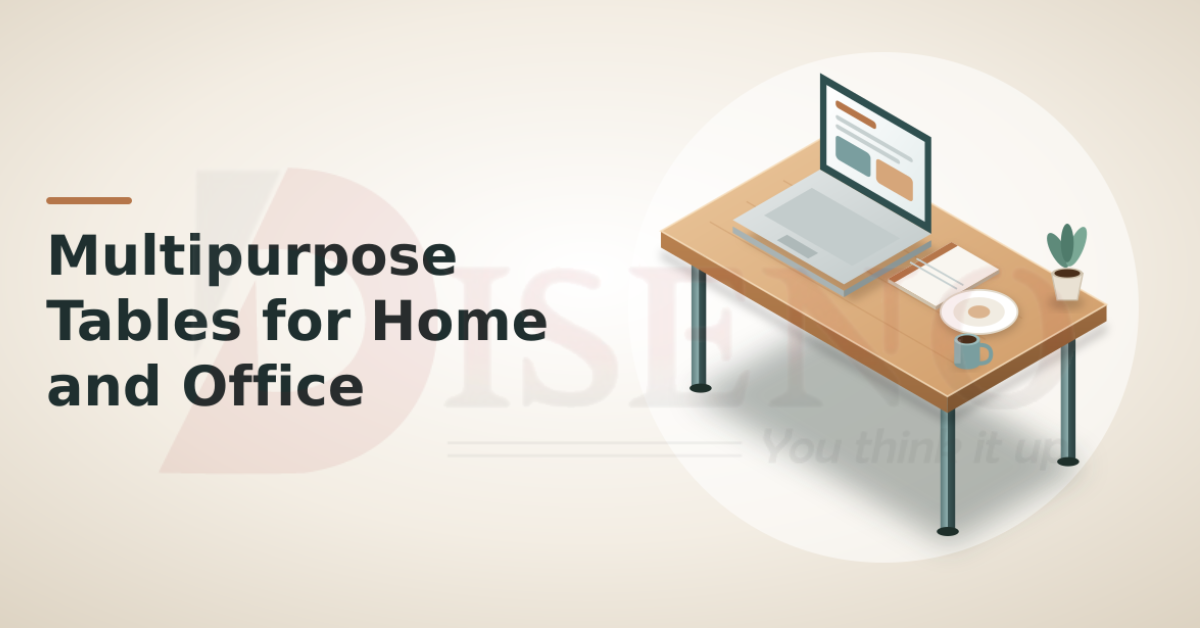
The line between home and office has blurred. The same room may serve as a workspace at nine, a dining area at one, a homework station at four, and a hobby corner at night. In compact apartments and busy offices alike, furniture needs to do more than one job. That is where multipurpose tables come in.
A well-chosen multipurpose table adapts to how you live and work. It saves space, reduces clutter, and can replace several separate pieces of furniture. This guide explores the best types of multipurpose tables, where they work best, and how to choose one that will serve you for years.
What Is a Multipurpose Table?
A multipurpose table is designed to serve more than one function. It might convert from a desk to a dining table, fold flat when not in use, expand for guests or meetings, or include built-in storage and power. The best designs combine flexibility with solid construction, so that versatility never comes at the cost of stability or style.
Why Multipurpose Tables Are Worth Considering
- Space efficiency: One table can replace a desk, a dining table, and a side table, which is invaluable in small homes and shared offices.
- Cost savings: Buying one adaptable piece often costs less than furnishing several separate areas.
- Flexibility: Layouts can change quickly for meetings, family meals, workshops, or hobbies.
- Reduced clutter: Built-in storage and clean surfaces help keep the room organized.
- Long-term value: A table that adapts to changing needs does not have to be replaced when your circumstances change.
Types of Multipurpose Tables
1. Extendable Tables
Best for: homes that host guests and offices that need occasional larger meetings.
Extendable tables use leaves or sliding mechanisms to grow from a compact size to a larger one. Day to day, you have a neat table that fits the room. When guests arrive or the team gathers, you can expand it in moments.
What to look for: a smooth extension mechanism, leaves that align cleanly with the top, and a stable base in both sizes.
2. Folding and Drop-Leaf Tables
Best for: small apartments and flexible spaces.
Drop-leaf tables have hinged sides that fold down, shrinking the footprint when you need floor space. Fully folding tables go even further, collapsing flat for storage. They are excellent as a desk in the morning and a dining table in the evening.
What to look for: sturdy hinges, locking supports for raised leaves, and non-slip feet.
3. Height-Adjustable Tables
Best for: people who work, eat, craft, and study at the same table.
Adjustable-height tables can serve as a standing desk, a regular desk, or a coffee table. Electric models are smooth and convenient, while manual crank or lever versions are more affordable and simple to maintain.
What to look for: a wide height range, a quiet and stable mechanism, and a strong weight capacity.
4. Convertible Tables
Best for: studio apartments and multi-use rooms.
Convertible tables change form entirely, for example from a coffee table into a dining table or from a console into a full desk. They make smart use of limited floor space and suit anyone who wants one piece to handle several roles.
What to look for: simple, reliable conversion that you can do easily without tools, and a solid top in every configuration.
5. Tables with Built-In Storage
Best for: anyone fighting clutter.
Drawers, shelves, and hidden compartments keep supplies close but out of sight. Lift-top versions can raise a laptop surface while revealing storage underneath, making them popular for living rooms that double as workspaces.
What to look for: smooth drawer runners, a sturdy build, and storage sized for the items you actually use.
6. Nesting and Modular Tables
Best for: collaborative offices, training rooms, and flexible homes.
Nesting tables slide together for storage and spread out when needed. Modular tables can be linked into larger configurations such as long rows, clusters, or islands. They are especially useful for teams that regularly reconfigure their space.
What to look for: reliable castors with locks, consistent top height, and connectors that hold sections firmly together.
7. Wall-Mounted and Fold-Down Tables
Best for: tight spaces and shared rooms.
These tables fold flat against the wall and return the floor space when you are done. They are ideal for small offices, entryways, and compact kitchens that occasionally need a work surface.
What to look for: strong mounting hardware, a secure locking mechanism, and clear weight limits.
Where Multipurpose Tables Work Best
At Home
- Small apartments: A drop-leaf or convertible table can handle work, meals, and hobbies in one footprint.
- Family homes: An extendable table becomes a homework station on weekdays and a gathering spot at weekends.
- Remote work setups: A height-adjustable or storage-equipped table lets you pack away work at the end of the day and reclaim the room.
In the Office
- Meeting spaces: Modular and nesting tables adapt to different group sizes.
- Training rooms: Flip-top tables on castors can be rearranged quickly.
- Break areas: A durable, easy-clean table can serve as a lunch table, an informal meeting spot, and a laptop hub.
- Hot-desking environments: Height-adjustable tables suit shared desks used by people of different sizes.
Key Features to Look For
- Sturdy construction: Flexibility means little if the table wobbles. Check joints, hinges, and the quality of the frame.
- Quality surface: Scratch-, heat-, and stain-resistant tops handle the mix of work and meals that multipurpose tables often face.
- Cable management and power access: Useful for work, especially if the table doubles as a desk.
- Easy transitions: If changing the table’s form is hard, you will stop doing it. Choose designs that adapt in seconds.
- Appropriate size: Measure your space in both the compact and expanded states, and leave room to move around the table.
- Comfort: Check that the height and legroom work for both desk and dining use.
Material Choices
- Solid wood: Warm, durable, and repairable, but heavier and more expensive.
- Engineered wood with laminate or veneer: Affordable and available in many finishes, ideal for everyday use.
- Metal frames: Strong and slim, perfect for adjustable, folding, and modular designs.
- Glass: Gives a light, open look but needs regular cleaning and careful handling.
- Bamboo: A sustainable, lightweight, and sturdy choice for foldable and compact tables.
Tips for Getting the Most from Your Table
- Choose a neutral finish that blends into both home and office styles.
- Use desk mats, placemats, or trays to protect the surface when switching roles.
- Keep a small box or drawer for work items, so you can clear the table quickly after hours.
- Add a good task lamp for work and switch to softer lighting for meals and relaxation.
- Review the weight capacity if you plan to use heavy equipment.
Conclusion
Multipurpose tables are a practical answer to modern life, where one space often has to play several roles. Whether you pick an extendable table for flexible hosting, a height-adjustable design for work and play, or a fold-down model for tiny rooms, the key is to match the table to your daily routine. Choose solid construction, a quality surface, and a design that is genuinely easy to adapt, and you will have a piece of furniture that works as hard as you do.