


Blog
Modern Office Table Designs to Boost Productivity

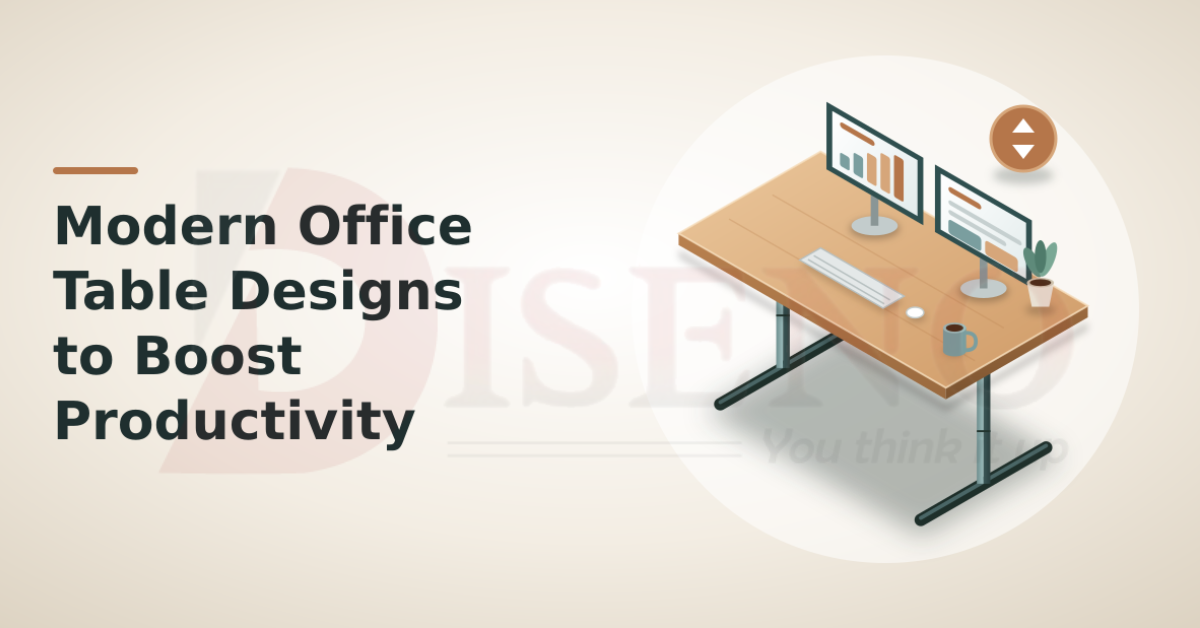
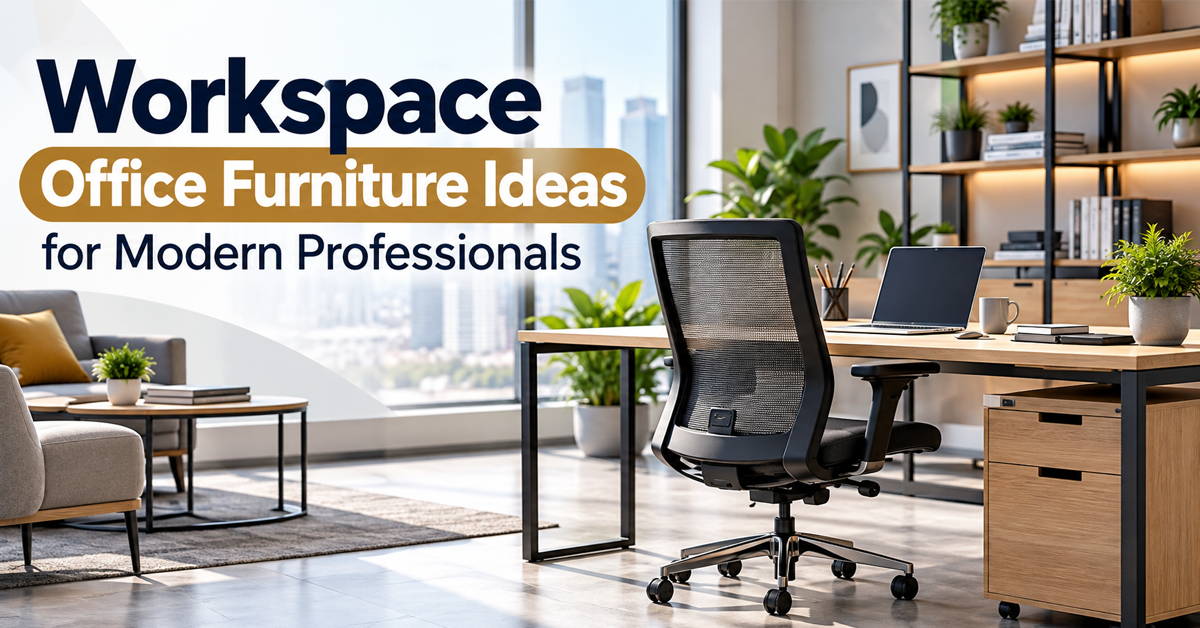
A desk is more than a surface to rest your laptop on. It shapes your posture, your focus, your energy, and even your mood. Modern office table designs reflect this idea: they combine clean aesthetics with smart features that help people work better, whether in a corporate office, a co-working space, or a home workspace.
This guide explores the most effective modern office table designs, the features that make them productive, and how to choose the right one for your needs.
What Makes an Office Table Modern?
Modern office tables go beyond a flat top and four legs. They are built around how people actually work today: on multiple devices, in changing positions, and often in shared or flexible spaces. Common traits include:
- Clean, minimal lines that reduce visual clutter and keep attention on the work.
- Ergonomic adjustability to support healthy posture through the day.
- Integrated technology, such as cable management, power outlets, and wireless charging.
- Flexible layouts that adapt to teams, tasks, and room sizes.
- Quality, sustainable materials that look good and last longer.
How Table Design Affects Productivity
Productivity is not only about willpower. The physical environment plays a real role.
- Comfort keeps you focused. A desk at the right height reduces strain on your neck, back, and wrists, so discomfort does not pull your attention away.
- Order supports clear thinking. Built-in storage and tidy cable routing reduce visual noise and help you find things quickly.
- Space for the task matters. A surface that fits your screen, keyboard, and notes prevents constant rearranging.
- Good design invites you to start. A desk you enjoy sitting at makes it easier to begin work and stay engaged.
Modern Office Table Designs That Boost Productivity
1. Height-Adjustable Sit-Stand Desks
Best for: long workdays and anyone who wants to change position regularly.
Electric sit-stand desks let you move between sitting and standing at the press of a button. Changing posture through the day can ease stiffness and help maintain energy, especially during long stretches of screen work. Many models also include memory presets so you can return to your favorite heights instantly.
What to look for: a stable frame at standing height, a quiet motor, a wide height range, and a clean, uncluttered underside.
2. Minimalist Desks
Best for: focused, distraction-free work.
Minimalist desks use slim legs, simple shapes, and neutral finishes. With less visual clutter, they create a calm environment that supports concentration. They suit small rooms particularly well because they make the space feel larger and lighter.
What to look for: a sturdy construction behind the simple look, enough surface for your essentials, and discreet cable management.
3. L-Shaped and Corner Desks
Best for: multitaskers and roles that mix screen work with paperwork.
An L-shaped desk gives you two dedicated zones, one for your computer and one for writing, sketching, or reviewing documents. It makes smart use of corner space and keeps everything within easy reach, so you spend less time reaching and reorganizing.
What to look for: a seamless surface, enough clearance for your chair, and a layout that works for your dominant hand.
4. Desks with Smart Built-In Features
Best for: tech-heavy workstations.
Modern desks increasingly include integrated power outlets, USB ports, wireless charging pads, and cable trays. These features keep devices powered and wires out of sight, which reduces clutter and saves time.
What to look for: safe, certified electronics, easy access to ports, and a design that lets you add or replace devices as your setup changes.
5. Standing and Dual-Monitor Workstations
Best for: designers, developers, analysts, and anyone using multiple screens.
Wide, deep desks with a strong frame support dual or triple monitor setups without wobbling. Pair them with monitor arms to free up surface space and place screens at the right height and distance.
What to look for: a high weight capacity, a depth of at least 70 cm, and compatibility with monitor arms.
6. Collaborative and Modular Tables
Best for: teams that brainstorm, co-create, and change layouts often.
Modular tables can be linked, split, or rearranged for workshops, project sessions, and daily stand-ups. Shared surfaces with built-in power and writable tops encourage quick conversations and spontaneous ideas.
What to look for: lockable castors, consistent heights across sections, and sturdy connectors.
7. Compact and Wall-Mounted Desks
Best for: small offices and home workspaces.
Slim desks and fold-down wall-mounted designs let you create a functional workspace without sacrificing floor space. They are ideal for apartments, shared rooms, and flexible spaces that serve multiple purposes.
What to look for: secure mounting hardware, a stable folding mechanism, and a surface large enough for your daily tools.
8. Executive and Statement Desks
Best for: leadership offices and client-facing spaces.
Modern executive desks pair rich materials, such as walnut, oak, or stone, with refined, simple forms. They project confidence and professionalism while offering generous space, storage, and concealed cable routing.
What to look for: quality materials, strong construction, and thoughtful storage that does not crowd the work surface.
Materials and Finishes in Modern Design
The materials you choose influence both the look and the longevity of a table.
- Engineered wood with laminate or veneer: Affordable, versatile, and available in many finishes.
- Solid wood: Warm, durable, and repairable, with a premium feel.
- Metal frames: Strong and slim, ideal for adjustable and modern minimalist designs.
- Glass: Bright and airy, though it needs regular cleaning.
- Bamboo: A sustainable, lightweight, and sturdy option.
- Matte and textured finishes: These reduce glare and fingerprints, which helps keep the surface looking clean.
Key Features to Look For
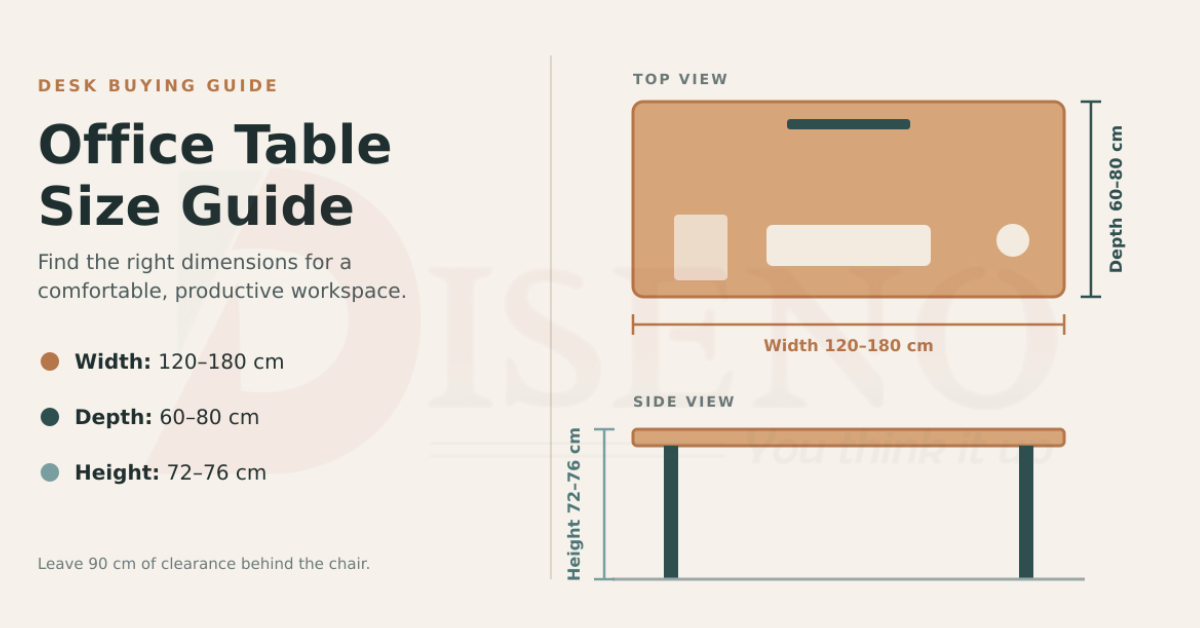
- Ergonomic dimensions: A seated desk height of around 72 to 76 cm suits many users, and adjustable models should cover a wider range.
- Stability: A table that wobbles while you type is a constant distraction.
- Cable management: Trays, grommets, and channels keep wires organized.
- Adequate surface area: Choose a size that fits your equipment without crowding your arms.
- Storage: Drawers or shelves keep essentials close and the surface clear.
- Quality construction: Strong joints, durable surfaces, and reliable mechanisms extend the table’s life.
Setting Up Your Desk for Maximum Productivity
A great desk works even better with a thoughtful setup.
- Position your screen at eye level and about an arm’s length away.
- Keep your elbows near 90 degrees with wrists in a neutral position.
- Use good lighting. Natural light is ideal, supported by a task lamp for evenings.
- Keep only essentials within reach, and store everything else in drawers or shelves.
- Add a personal touch, such as a small plant or a photo, to make the space inviting.
- Move regularly. Even the best desk cannot replace short breaks and stretches.
How to Choose the Right Modern Office Table
Before buying, consider these questions:
- What kind of work do I do most, and how many screens or devices do I use?
- How much space do I have, and how will the desk fit with the rest of the room?
- Would I benefit from the option to stand during the day?
- Do I need storage, or do I prefer a minimal surface?
- Does the style suit the rest of my office or home?
Measure your space carefully, including room for your chair to move freely, and choose a desk that fits your daily routine, not just your decor.
Conclusion
A modern office table is an investment in how you work and feel every day. By choosing a design that supports good posture, keeps your space organized, and matches your tasks, you give yourself a stronger foundation for focus and productivity. Whether you pick a sit-stand desk, a minimalist workstation, or a flexible modular table, the best choice is the one that makes it easy to sit down, concentrate, and do your best work.