





Blog
Why Hybrid Workspaces Need Smarter Furniture: Pakistan’s Shift to Flexible Office Design

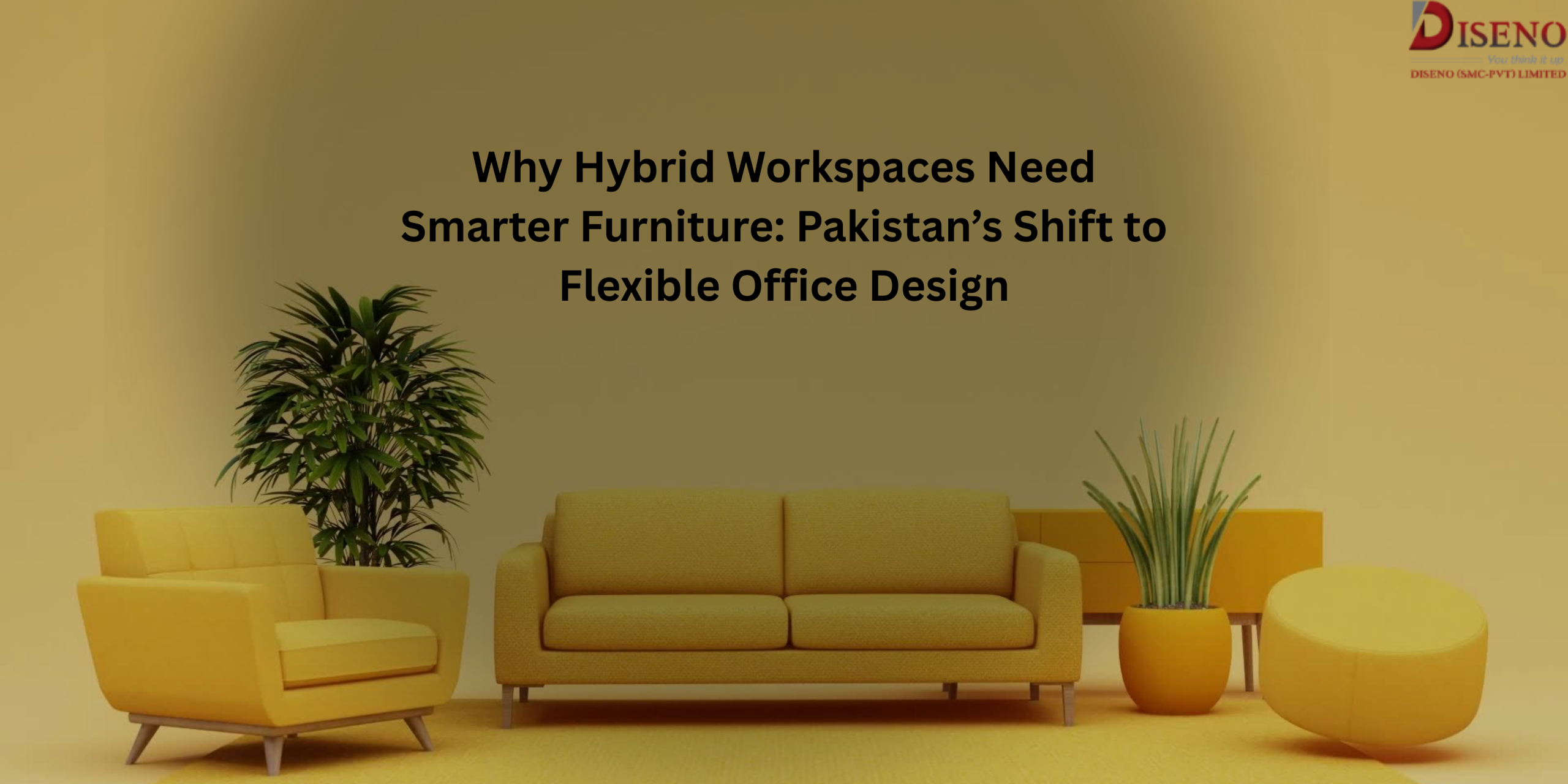
The phrase “going to the office” is slowly shifting its meaning all over Pakistan. Offices used to have fixed workstations, office design, strict timetables, and permanent seating arrangements. Now, they are changing to hybrid work models that combine working from home with working in person. Companies of all sizes, from digital startups to big businesses, are reconsidering how their workplaces work and, more importantly, how they help people.
Office furniture is a powerful but frequently overlooked aspect at the heart of this change. Furniture is no longer fixed in hybrid work settings. It needs to be smart, adaptable, and able to respond to changing needs. Pakistan’s changing work culture is making it evident that there is a need for smarter, more flexible workspace solutions.
The Growth of Hybrid Work in Pakistan
People used to think that hybrid work was only a short-term solution to problems around the world. Now, it is a strategic choice. Pakistani companies are using flexible models to boost production, cut expenses, and draw in young workers who desire freedom and balance.
But having flexible work hours means that the space must also be flexible. The same folks don’t work in the same offices every day anymore. Teams change, departments get bigger or smaller, and the needs for collaboration alter all the time. Layouts that used to work well for full attendance now seem old-fashioned and inefficient.
This change has made office furniture for workspaces the most important part of workplace planning. Furniture must support motion, adaptability, and comfort—without compromising professionalism or aesthetics.
Why Traditional Office Furniture Doesn’t Work Anymore
Traditional office furniture was made to last. Heavy desks, immovable cubicles, and seats that couldn’t be moved around were all based on the idea that workers would stay in one spot for years. That idea has been completely thrown off by hybrid work.
In today’s workplaces:
- One worker might utilize more than one desk in a week.
- A meeting area could become a peaceful place to work.
- Teams can only meet in person twice a week.
Furniture that is excessively rigid has trouble keeping up. We need smarter ways to make sure that spaces are useful, comfortable, and productive no matter how many people are there every day.
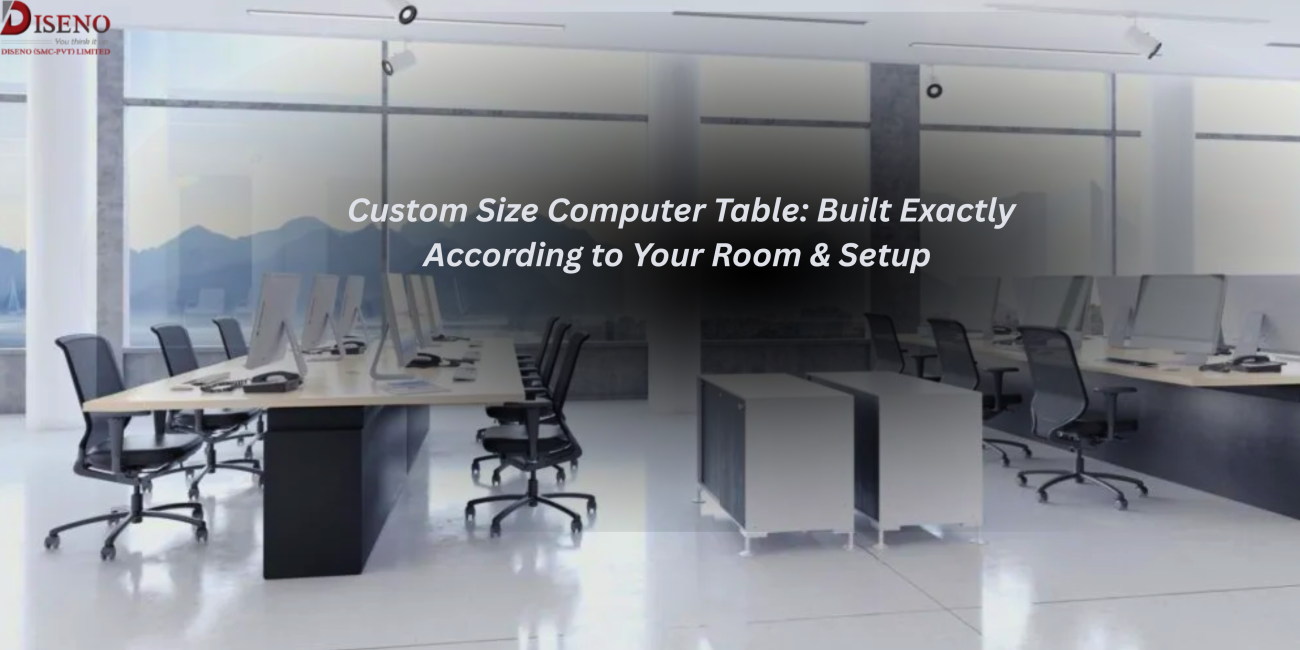
Workstations That Can Be Changed
A modern workstation is not only a desk with walls. Workstations in hybrid offices need to be easy to move, adaptable, and alterable. Companies can do the following with smart workstation designs:
- You can add or take away units without having to redo the whole floor.
- Make desks that can be used by different teams.
- Make separate work locations into places where people can work together.
In Pakistan, where the cost of office space is going up in big cities, adjustable workstations also help firms make the most of every square foot. Instead of empty desks, rooms can change every day based on what people really need.
The Office Chair: Comfort in a World of Change
When workers spend time at home and at work, comfort can make a big difference in how productive they are. If sitting in the office isn’t as nice as the seating at home, motivation drops right away.
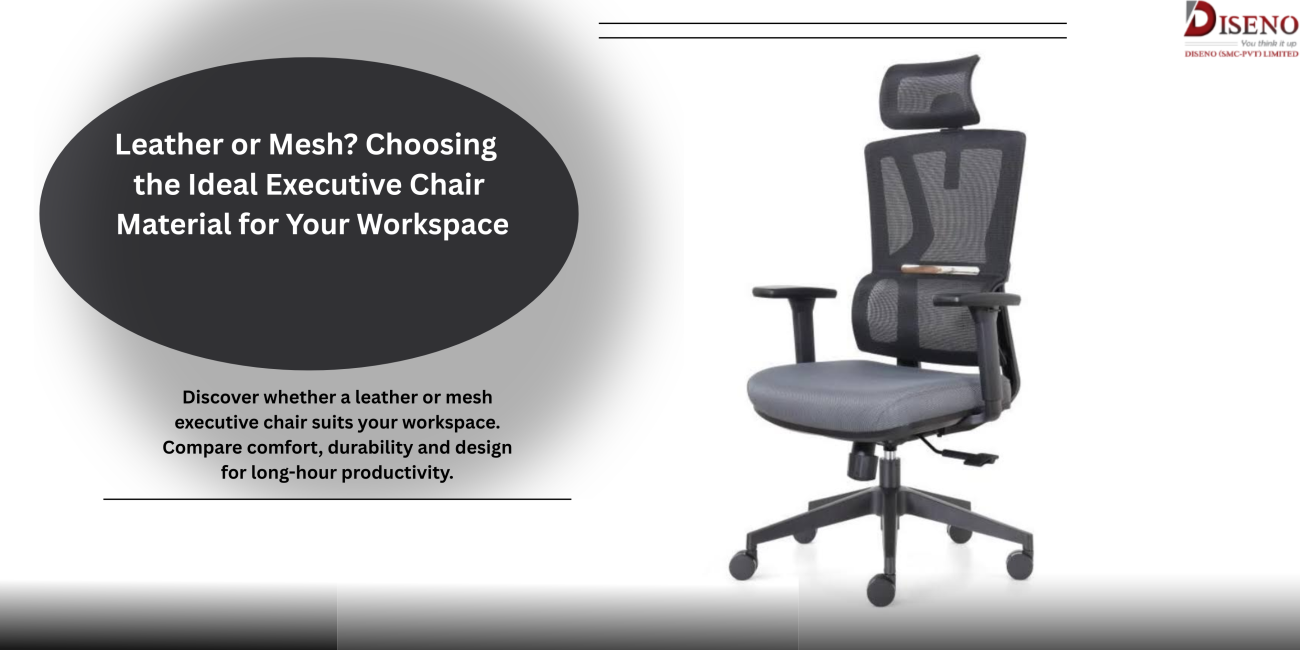
In hybrid settings, a good office chair is a must. Adjustable height, lumbar support, breathable materials, and the ability to move around are no longer nice-to-haves; they are now expected.
Ergonomic office chairs are helpful:
- Less tension on the neck and back
- Help people stay focused for longer
- Get better posture and more energy
Companies in Pakistan are starting to realize that buying better chairs isn’t a cost but an investment in the health and performance of their employees over the long run.
More intelligent office tables for today’s work styles:
The office table now serves a far wider range of purposes. It’s not just a place to put papers anymore. Today’s tables need to be able to hold computers, several screens, virtual meetings, charging demands, and well-organized cables.
In hybrid offices, tables also need to be:
- Simple to move or give to someone else
- Good for sharing
- Made to cut down on clutter
Well-designed office tables make it easy for workers to sit down and get to work right away, without having to waste time setting up or looking for power sources.
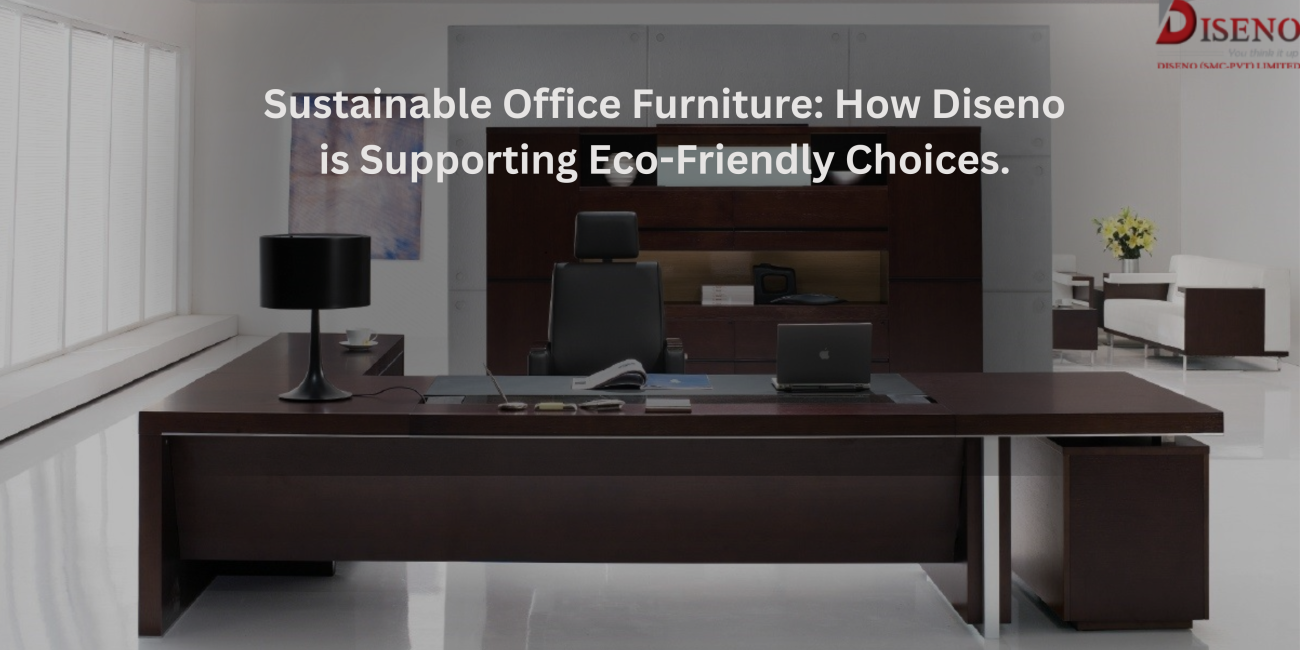
Executive Office Tables in the Age of Hybrid
Leadership spaces are changing too. The executive office table is no longer just about size; it’s also about how it works, how it looks, and how flexible it is. In hybrid arrangements, executives often:
- Spend some time working at the office and some time working from home.
- Have virtual meetings even when you’re there.
- Need storage that can change and tech that works together.
A modern executive office table shows power and helps with modern work processes. Leadership spaces stay current without looking too much or too old thanks to clean lines, efficient storage, and built-in technology.
Furniture That Moves Is Needed for Collaboration
Collaboration is important in hybrid offices, but it looks different now. It might happen on days when everyone is in the office and digitally the rest of the week.
Smart office furniture makes it easier for people to interact with each other. Teams may get together quickly without having to go to a formal conference space thanks to lightweight tables, mobile chairs, and workstations that can be rearranged. When collaboration is over, the same furniture can be moved around so that people can work on their own.
This flexibility allows for innovation while also preserving personal space, which is important in modern Pakistani offices.
Technology and furniture need to work together
Technology is a big part of hybrid work. Video conferencing, shared screens, and digital tools are all things that happen every day. Furniture that doesn’t take these things into account causes problems.
Integrating smarter workspace office furniture means:
- Cable management systems
- Access to built-in electricity
- Room for gadgets and accessories
This integration makes things less cluttered, safer, and cleaner, and it makes the workplace look more professional, which helps work go smoothly.
Maximising space and cutting costs
Companies can cut down on their physical space with hybrid work, but only if they use spaces wisely. This is possible because of workplace furniture that can do more than one thing.
Offices can employ flexible furniture to do more than one thing at a time, so they don’t have to keep distinct spaces for each function. In the morning, a shared workstation can turn into a meeting room by the afternoon.
Smart furniture solutions are a good long-term investment for Pakistani firms that want to grow while keeping costs down. Culture, looks, and brand identity
Before words, office design speaks. The workspace shows clients, partners, and employees what the company stands for and believes in. Modern office furniture combines style and utility. Professionalism and confidence are shown by clean workstations, stylish office tables, and carefully picked executive furniture.
In a competitive job market, well-designed workplaces can also help you find good workers. People like to work in places that are modern, pleasant, and useful.
Planning for the Long Term and the Future
Sustainability is becoming more and more significant in Pakistan’s economic environment. You can alter high-quality, modular office furniture, which means it lasts longer and you don’t have to buy new furniture all the time. Supports for furniture that is more intelligent:
- Long-term savings on expenses
- Not as awful for the planet
- Planning for an office that will be ready for the future
- You can save money on large adjustments later by picking designs that can be altered today.
What Will Happen to Flexible Office Design in Pakistan?
Hybrid work is redefining how people in Pakistan do their jobs. As businesses change, so do office spaces.
Smart furniture, like a flexible workstation, an ergonomic office chair, a functional office table, or a polished executive office table, will make offices more productive, comfortable, and adaptable.
Companies that carefully choose office furniture for their workspaces are doing more than just getting the right tools. They are building places that help people, new ideas, and progress over time.
Final Thoughts
Hybrid workspaces need brains, not a lot of stuff. They need furniture that can be moved around and changed to meet the needs of real people. Pakistan’s shift towards more adaptable office design has turned smart office furniture from a trend into a need.
By choosing the right furniture, businesses can make workstations that are always useful, up-to-date, and motivating. This is true no matter what happens at work.